
 EN
EN AR
AR BG
BG HR
HR CS
CS DA
DA NL
NL FI
FI FR
FR DE
DE EL
EL HI
HI IT
IT JA
JA KO
KO NO
NO PL
PL PT
PT RO
RO RU
RU ES
ES SV
SV IW
IW ID
ID LV
LV LT
LT SR
SR SK
SK SL
SL UK
UK VI
VI ET
ET HU
HU TH
TH TR
TR FA
FA MS
MS BE
BE HY
HY AZ
AZ KA
KA MN
MN MY
MY KK
KK TG
TG UZ
UZ KY
KY
Material science, heat control, durability — the real differences explained
Many people wonder if heat reflective paint is just like regular paint. According to FAC's field experience, they are fundamentally different. Below is a detailed Q&A covering reflection rates, dark color performance, cold weather flexibility, water resistance standards, and application best practices — all based on real testing and material science.
What is the difference between heat reflective paint and regular paint for exterior walls?
Regular paint acts like a sponge for heat — it soaks up sun rays and makes the building hotter inside. FAC heat reflective paint works like a heat control system, using small hollow beads and special pigments. According to Building Energy Efficiency journal, good reflective paint can bounce back over 85% of the sun's heat. Regular paint often peels and cracks within a year because it cannot handle constant stretching from high heat.
Does the color affect the heat reflection? Can dark colors stay cool?
Usually dark colors are heat magnets. But FAC uses Cool Pigment technology to change that. Regular dark paint can reach as hot as 70°C (158°F) in the sun, causing interior warmth and wall cracks. FAC's technology makes dark surfaces act like a mirror to solar infrared rays. According to Cool Science: Cool Roofs, dark surfaces with this technology reflect far more heat than normal dark paint. You can choose dark colors without worrying about excess heat.
If the wall already has regular dark paint, will there be problem if we paint over it?
You cannot simply paint over old paint without proper preparation. Old paint becomes weak and brittle from sun exposure. FAC's solution is a penetrating primer that works like tree roots — it goes deep into the old paint layer to weld it back to the wall. Soiling and Weathering of Cool Surfaces , surface preparation is the most important step. As long as the old paint is not falling off in large chunks, the primer makes it safe to recoat.
Can the paint help fix small cracks on old walls?
For tiny hairline cracks, the stretchiness of the paint is key. Regular paint is like a thin brittle shell — when the wall moves, it snaps. FAC paint has a spring-like structure. According to ASTM C1214 Standard Test Method, our paint can stretch more than 200%. This means when a crack opens slightly, the paint stretches like a rubber band instead of breaking. Additionally, because the paint keeps the wall cooler, the wall moves less to begin with.
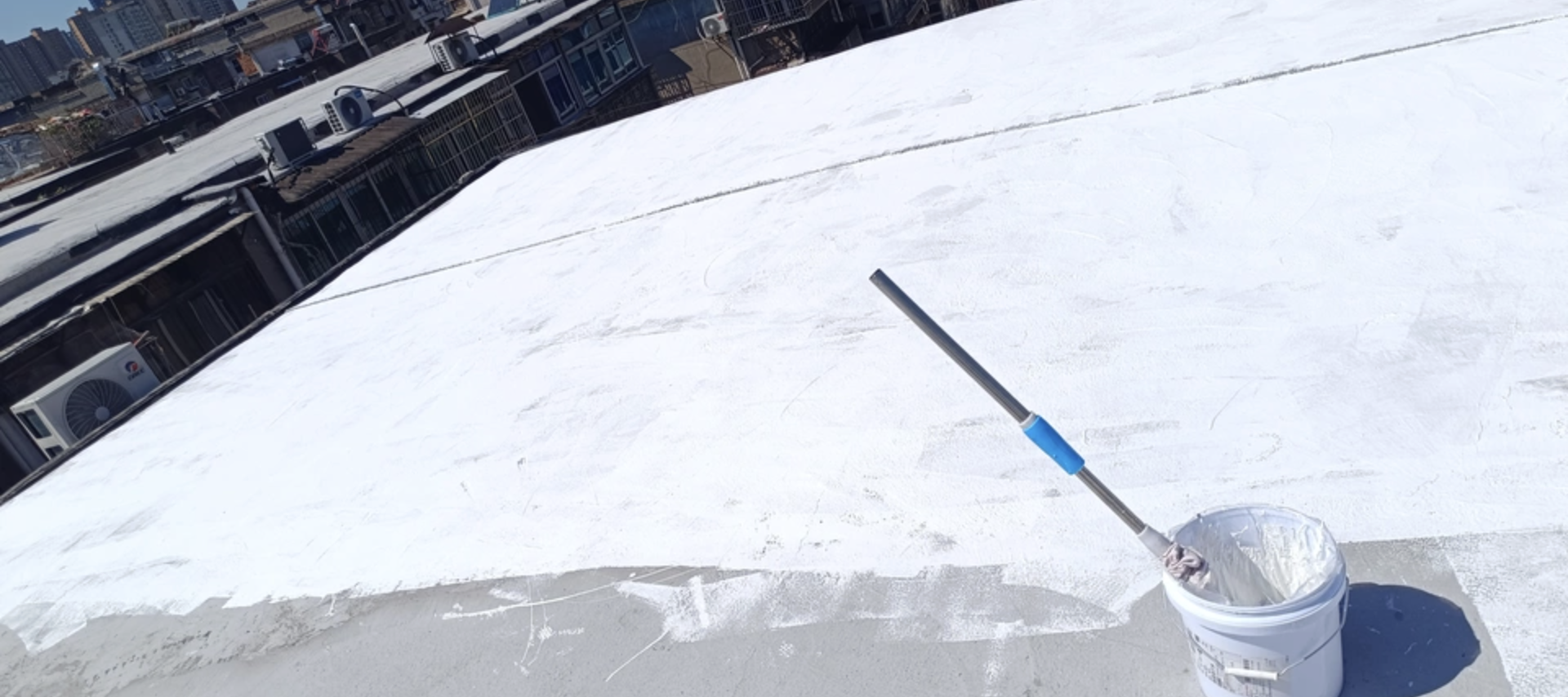
In very cold weather like -20°C, will the paint stay stretchy or become brittle?
This is a major problem for many paints. At -20°C, regular elastic paint becomes as brittle as a cracker. FAC uses Low Tg technology. According to Polymer Science for Coatings, this keeps the paint flexible even in freezing weather. It stays like a tough rubber skin on the building instead of a breakable shell.
Does the Low Tg technology make the paint too soft and sticky in summer?
This is a tough balance. Many stretchy paints become like glue in hot summer, attracting dust and bugs. FAC uses a hard shell soft core design. The surface of the paint gets hard when the sun hits it, staying flexible in winter but remaining dry and clean in summer. Dust does not stick much, and rain washes it away easily. According to Soiling and Weathering of Cool Surfaces, this prevents dirt from reducing heat reflection.
Will cloudy days or low light affect how the paint dries?
Low light is a weakness for many sun-dried paints. FAC uses a double-drying system. According to Curing Technologies in Coatings, our paint starts drying even without sun; sunlight just makes it stronger later. This makes it easier for workers to apply in various weather conditions.
If it rains right after painting, how much rain can the paint handle?
FAC's technology makes the paint rain-safe in just 1.5 to 2 hours. According to Waterborne Coatings Technology, if you finish painting and then hear thunder, you are usually safe. In normal weather it can handle heavy rain after only 2 hours.

If the paint turns white after rain, will it go back to normal when it dries?
This is called blushing or whitening. FAC paint has reversible whitening control. According to Water Resistance of Coatings , our paint does not let too much water in. As long as the paint is not washed away, the white color will disappear within 24 to 48 hours as water evaporates. The color looks perfect again.
How does the ASTM D1647 standard measure the paint's water resistance?
ASTM D1647 is a tough lab test that soaks the paint in water for 48 hours. Regular paints often get bubbles or turn soft — some lose 60% of their hardness and have permanent water marks. According to the ASTM D1647 Standard Test Method , FAC requires the paint to look perfect again within 2 hours after being taken out of water. Thanks to special nano-materials, our paint absorbs very little water and recovers almost 100% — what we call hardcore water resistance.
Table of Contents
- What is the difference between heat reflective paint and regular paint for exterior walls?
- Does the color affect the heat reflection? Can dark colors stay cool?
- If the wall already has regular dark paint, will there be problem if we paint over it?
- Can the paint help fix small cracks on old walls?
- In very cold weather like -20°C, will the paint stay stretchy or become brittle?
- Does the Low Tg technology make the paint too soft and sticky in summer?
- Will cloudy days or low light affect how the paint dries?
- If it rains right after painting, how much rain can the paint handle?
- If the paint turns white after rain, will it go back to normal when it dries?
- How does the ASTM D1647 standard measure the paint's water resistance?
Founded in 1992, the company has built three factories, covering an area of about 50,000 square meters. With over 30 years of professional experience in paint production and construction, it has a comprehensive system for research and development, production, sales, and construction. The company has long-term cooperation with Dow Chemical (USA) and Hunan University.


